DIY Cybersecurity vs. Managed IT Services: What’s Best for Asheville Small Businesses?
 Adam Quan is the President of Asheville IT Solutions, an award-winning provider of managed IT services to over 200 businesses and nonprofits in the Southeast.

As an Asheville small business owner, you constantly navigate a complex digital landscape. Cybersecurity is no longer optional; it’s a fundamental requirement for protecting sensitive data, maintaining customer trust, and ensuring operational continuity. When facing modern cyber threats, many business owners ponder a critical question: should we handle our own cybersecurity, or is partnering with a Managed IT Service Provider the smarter choice?
Key Insights
DIY cybersecurity carries significant risks – Small businesses often underestimate the complexity and continuous demands of effective cybersecurity, leading to vulnerabilities and potential breaches. It requires dedicated expertise.
Managed Service Providers offer comprehensive protection – MSPs provide proactive monitoring, advanced threat detection, and expert response tailored to evolving threats, which is often beyond the capacity of an in-house team.
Cost-effectiveness extends beyond direct expenses – While DIY might seem cheaper upfront, potential data breaches, recovery costs, and reputational damage can far outweigh the investment in professional affordable IT security.
Compliance and industry regulations are complex – Businesses in regulated sectors, like healthcare or finance, need specialized knowledge to meet stringent cybersecurity compliance requirements, a service readily offered by experienced MSPs.
Focus on core business activities – Outsourcing cybersecurity to a trusted provider frees up internal resources, allowing business owners and staff to concentrate on growth and service delivery, rather than IT security management.
This article explores the pros and cons of DIY cybersecurity for small business Asheville versus outsourcing to an MSP. We will help you determine the most effective and sustainable strategy for safeguarding your business in Western North Carolina.
The Allure and Pitfalls of DIY Cybersecurity
For many small businesses, the idea of handling cybersecurity in-house seems like a practical way to save money. After all, there are numerous free tools and online resources available. This approach appeals to those who prefer hands-on control and believe their business is “too small” to be a target.
Perceived Benefits of Doing It Yourself
Firstly, the most apparent advantage is cost control. Opting for a do-it-yourself approach means avoiding monthly service fees from a third-party provider. Therefore, businesses can allocate resources to other operational areas. Secondly, there’s a sense of direct control. Business owners feel they have a better understanding of their systems and can react quickly to immediate threats. Lastly, learning new skills can empower internal teams, fostering a deeper understanding of the company’s digital infrastructure.
The Hidden Dangers and Demands
However, the reality of DIY cybersecurity often contrasts sharply with these perceptions. The digital threat landscape is constantly evolving, with new vulnerabilities and sophisticated attacks emerging daily. A small business owner, often juggling multiple roles, simply lacks the time and specialized knowledge required for comprehensive protection. For instance, managing patches, configuring firewalls, understanding phishing tactics, and responding to incidents demands full-time attention.
One major pitfall is the lack of specialized expertise. Cybersecurity threats are not static; they require continuous learning and adaptation. A generalist IT person or business owner might miss crucial signs of intrusion or misconfigure vital security settings, leaving gaping holes in their defenses. Furthermore, relying on free tools often means sacrificing advanced features, scalability, and dedicated support that paid solutions offer.

Another significant risk is inadequate incident response. If a breach occurs, a DIY approach often results in panic, delayed action, and potentially catastrophic data loss or system downtime. Without a predefined disaster recovery planning, businesses struggle to recover, leading to severe financial and reputational consequences. In many cases, the cost of recovery from a single breach far exceeds what an MSP would charge annually.
The Strategic Advantage of Managed Service Providers
Partnering with a Managed Service Provider (MSP) for cybersecurity transforms IT security from a reactive burden into a proactive, strategic asset. MSPs specialize in managing and protecting IT environments, offering a depth of expertise and resources typically out of reach for small businesses.
Comprehensive Cybersecurity Coverage
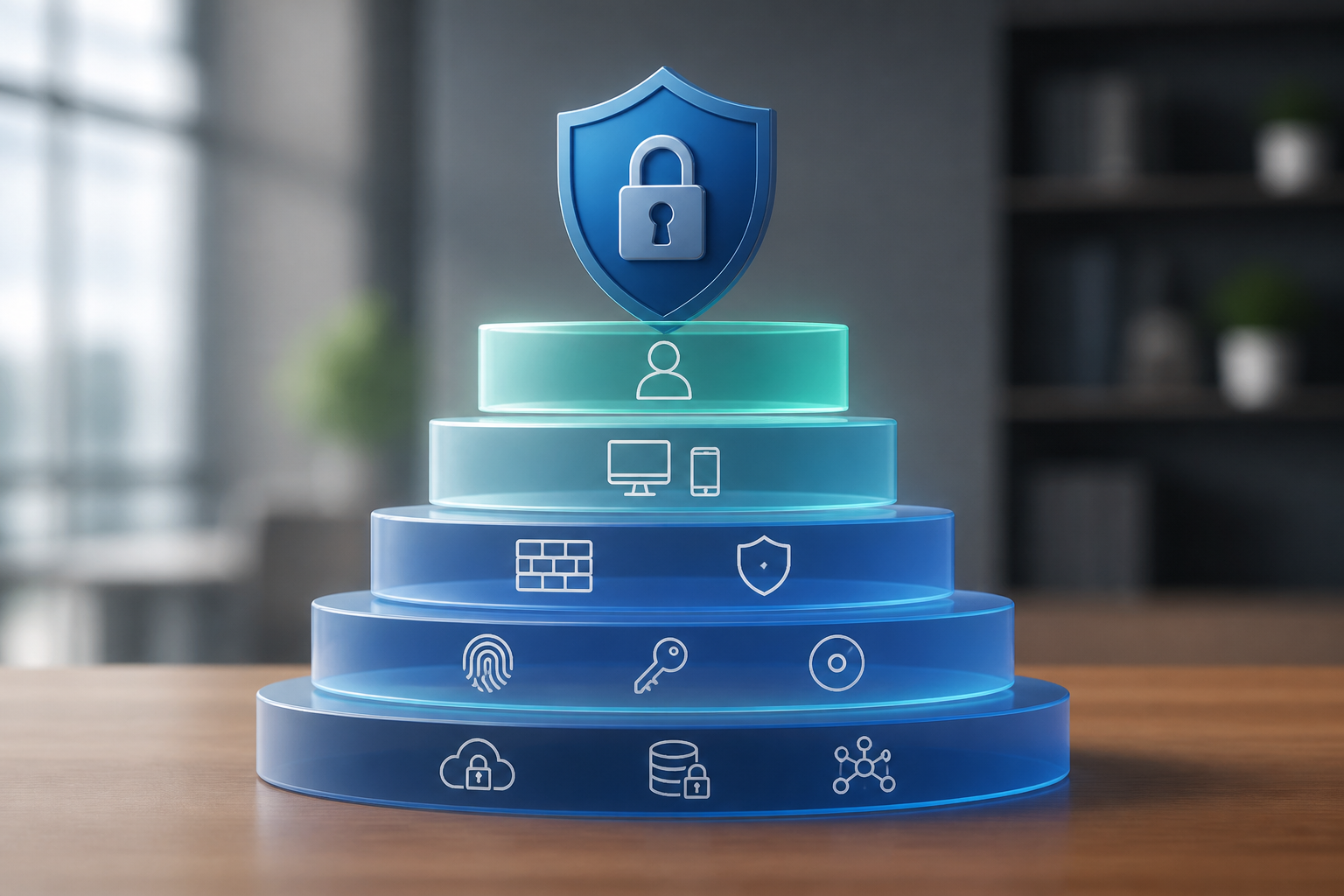
An MSP provides a holistic approach to cybersecurity. This includes advanced threat detection, proactive monitoring, regular security audits, vulnerability management, and robust endpoint protection. They implement multi-layered defenses, such as firewalls, intrusion prevention systems, and email security, to create a formidable barrier against attacks. They are also adept at managing a business network securely.
Moreover, MSPs often have access to enterprise-grade security tools and technologies that would be cost-prohibitive for a single small business to acquire and manage. Their teams are continuously trained on the latest threats and mitigation strategies, ensuring your business benefits from up-to-the-minute protection. For example, they can help implement crucial measures like understanding MFA in cybersecurity across your organization.
Expertise and Experience at Your Fingertips
One of the most valuable aspects of an MSP is their specialized expertise. They employ certified cybersecurity professionals who understand the intricacies of network security, data protection, and regulatory compliance. Whether your business operates in general commerce, manufacturing, or non-profit, they can tailor solutions to your specific needs. For instance, specialized manufacturing IT services address unique industry challenges.
Furthermore, MSPs bring a wealth of experience from working with multiple clients across various industries. This diverse exposure means they’ve encountered and resolved a wide array of security challenges, equipping them with practical knowledge to anticipate and prevent issues before they impact your business. They offer consistent, reliable IT help desk provider services.
Cost-Effectiveness and Scalability
While an MSP involves a recurring fee, it often proves more cost-effective than building an in-house cybersecurity team. Hiring, training, and retaining even one full-time cybersecurity expert can be astronomically expensive for a small business. An MSP provides an entire team of specialists for a predictable monthly cost, converting a variable, high-risk expense into a manageable operating cost.
Additionally, MSP services are scalable. As your Asheville business grows, your cybersecurity needs will undoubtedly expand. A managed service provider can seamlessly adjust their services to accommodate new employees, locations, technologies, and evolving threats without requiring you to make significant capital investments in hardware, software, or additional staff. They are ideal for managed IT services for growing companies.

Proactive Monitoring and Rapid Response
MSPs implement 24/7 monitoring systems that continuously scan for suspicious activities, vulnerabilities, and potential threats. This proactive approach allows them to detect and neutralize threats before they can escalate into a full-blown breach. If an incident does occur, they have established protocols and an experienced team ready to provide same-day IT support in Asheville, minimizing downtime and data loss.
This rapid response capability is critical for reducing the impact of cyberattacks. With an MSP, you gain peace of mind knowing that experts are always on watch, ready to act swiftly and decisively to protect your digital assets. This ensures IT network reliability in Asheville.
Industry-Specific Cybersecurity Needs
Different industries face unique cybersecurity challenges and compliance requirements. A generic, DIY approach often falls short in addressing these specific needs, whereas an MSP can offer tailored solutions.
Construction and Manufacturing
For industries like construction and manufacturing, cybersecurity is crucial for protecting proprietary designs, operational technology (OT), and supply chain data. Breaches can lead to intellectual property theft, operational disruption, and significant financial losses. Businesses in these sectors often handle large volumes of project data and sensitive client information. Construction IT services and manufacturing IT services must address specific concerns such as protecting blueprints, preventing disruption to automated processes, and securing remote job site connectivity. An MSP can implement robust security measures that account for the unique environments and challenges of these industries, ensuring compliance and operational integrity.
Non-Profit Organizations
Non-profits, while often operating with limited budgets, are not immune to cyber threats. They handle sensitive donor information, beneficiary data, and operational records, making them attractive targets for cybercriminals. A data breach can severely damage a non-profit’s reputation and erode public trust, jeopardizing funding and mission delivery. Non profit IT services from an MSP can provide enterprise-level security solutions adapted to a non-profit’s budget and operational structure. This includes securing donor databases, ensuring the privacy of beneficiaries, and implementing robust safeguards for fundraising platforms, all while adhering to the highest standards of data protection. An MSP understands the financial constraints and unique vulnerabilities of non-profits, offering essential protection without overstretching resources.
Healthcare and Financial Services
Industries such as healthcare and financial services operate under stringent regulatory frameworks like HIPAA and GLBA. Compliance is not optional; it’s a legal imperative. A DIY approach to cybersecurity in these sectors is fraught with peril, as non-compliance can lead to massive fines, legal action, and reputational ruin. An MSP specializing in these areas possesses the deep understanding of these regulations required to implement HIPAA compliant IT security and ensure financial data protection. They provide comprehensive audit trails, data encryption, secure access controls, and ongoing compliance monitoring. This specialized knowledge and continuous vigilance are nearly impossible for a small business to maintain in-house without significant dedicated resources.
Making the Right Choice for Your Asheville Business
Ultimately, the decision between DIY cybersecurity and an MSP depends on your business’s specific needs, risk tolerance, and available resources. However, for most small businesses in Asheville, the arguments overwhelmingly favor partnering with an experienced Managed Service Provider.
A reputable MSP offers unparalleled expertise, comprehensive protection, proactive monitoring, and rapid incident response, all for a predictable cost. This allows you to focus on what you do best – growing your business – while leaving the complexities of cybersecurity to the experts. They offer Asheville IT services that truly understand the local landscape.
Investing in professional cybersecurity is not just about avoiding problems; it’s about building resilience, maintaining trust, and securing your business’s future in an increasingly digital world. Consider consulting with a few local MSPs to discuss your unique needs and explore customized solutions. For additional guidance on industry best practices, you can refer to resources from organizations like the Cybersecurity & Infrastructure Security Agency (CISA).
Protect Your Business with Expert Cybersecurity in Asheville
Don’t leave your business vulnerable to cyber threats. Our team of local Asheville IT experts provides comprehensive, tailored cybersecurity solutions designed for small businesses like yours.
Frequently Asked Questions
What is the biggest risk of DIY cybersecurity for a small business?
The biggest risk is the lack of specialized, up-to-date expertise. Cyber threats evolve constantly, and without dedicated professionals focused solely on security, a small business is highly susceptible to missing critical vulnerabilities, misconfiguring defenses, and reacting too slowly to breaches. This can lead to significant financial loss and reputational damage.
How much more expensive is an MSP compared to DIY cybersecurity?
While an MSP has a recurring cost, it’s often more cost-effective in the long run than DIY. DIY cybersecurity often incurs hidden costs like purchasing individual software licenses, spending valuable employee time on IT tasks, and potentially catastrophic expenses from a data breach. An MSP provides a full team of experts, enterprise-grade tools, and proactive protection for a predictable monthly fee, typically saving money compared to hiring an in-house expert or recovering from a major incident.
Can an MSP help with industry-specific compliance?
Yes, absolutely. A key advantage of an experienced MSP is their ability to provide industry-specific cybersecurity solutions and ensure compliance with relevant regulations like HIPAA for healthcare, GLBA for financial services, or other data protection standards. They understand the intricacies of these regulations and implement the necessary technical and administrative safeguards to keep your business compliant.
How quickly can an MSP respond to a cyber incident?
MSPs typically offer rapid incident response times, often with 24/7 monitoring and support. They have established protocols and dedicated teams ready to identify, contain, eradicate, and recover from cyber incidents quickly. This fast response significantly minimizes downtime, data loss, and the overall impact of an attack, a capability difficult to replicate with a DIY approach.
Will an MSP understand the unique needs of my Asheville business?
A local Asheville Managed Service Provider will have a keen understanding of the regional business landscape and common challenges faced by small businesses in the area. They can tailor their cybersecurity services to align with your specific industry, operational structure, budget, and local regulatory considerations, ensuring a personalized and effective security strategy.